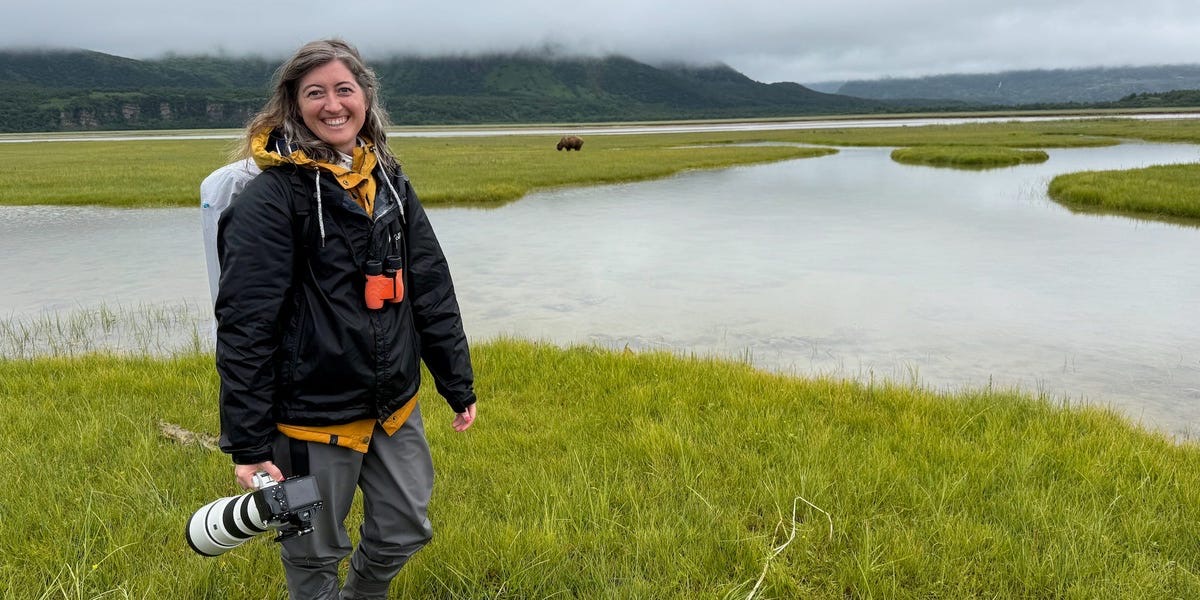
The most expensive single day of travel is not always the most rewarding one. That's the lesson one traveler took from a backcountry bear-viewing tour in Alaska, and it's a useful reminder for anyone spending serious money on a once-in-a-lifetime experience.
The trip started with a sound plan. The traveler, on her second visit to Alaska, landed in Anchorage with five days to spare before a cruise. From there, the Kenai Peninsula offers access to three national parks: Katmai, Lake Clark and Kenai Fjords. She had already settled on a full-day boat trip into Kenai Fjords, which meant her bear-viewing option would be either Katmai or Lake Clark.
Katmai was the obvious draw. Visitors come from around the world to see its brown bear population, and many head to Brooks Falls during the salmon run. But when she started making plans at the last minute, almost every Brooks Falls tour was already sold out. That pushed her toward smaller operators that fly guests into the Alaskan bush to see bears in the backcountry.
Prices for those tours ranged from $1,295 to $1,595 before tip. She chose the most expensive option. It ran small groups with a naturalist guide, offered five hours on the ground and carried many five-star reviews. By her own account, she expected a great adventure.
The weather had other plans. Alaska's rain is no secret, but the day of her tour brought a downpour. Her operator outfitted guests with hip waders and waterproof rain jackets, and after two hours of steady heavy rain she was ready to be somewhere warm and dry. Instead, she was wading through inches of standing water in cloudy, 50-degree conditions.
The wildlife count is where the math broke down. Over five hours, her group saw three bears up close: two females and one male. The male tried to approach one of the females, who darted away. After a brief standoff, he gave up and moved on. That interaction came near the start of the tour and was the only time the group saw bears engaging with each other. One female stayed to feed, and another nearby was asleep in the field.
She does not dispute that the sightings were remarkable. Watching massive animals at close range in their natural habitat was, in her words, incredible. But she weighed that moment against the full bill: $1,595, hours standing in the rain, and a packed lunch for a single notable encounter. Her verdict was blunt. She doubts she will do it again.
For founders and executives who treat travel as a reward for hard work, the takeaway is simple. Price is not a proxy for certainty. Wildlife tours depend on animal behavior and weather, and a five-star review record does not change either. Before you book a premium experience, ask three questions. What happens if conditions are poor? What is the realistic sighting rate? And what does the day cost in comfort, not just in dollars? If the answers leave you uneasy, a cheaper itinerary or a different park may deliver more of what you came for.


